
Luxury Catamaran Liveaboard in Raja Ampat
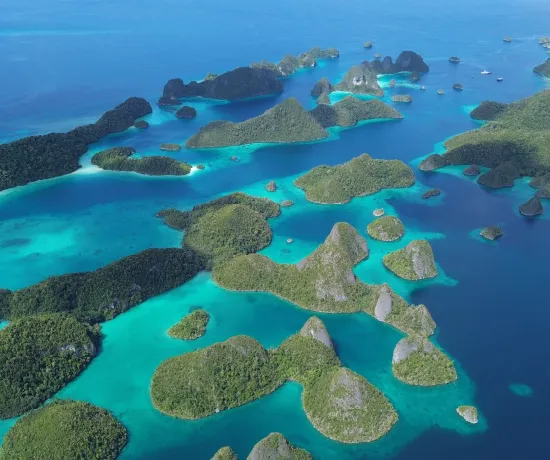
Discover the heart of the Coral Triangle: a breathtaking labyrinth of limestone islands and ancient lagoons.
Home to over 75% of the world’s coral species. Snorkel with majestic Manta Rays and dive along vibrant, pristine coral walls.
Experience unparalleled wilderness. Our tailored liveaboard cruises connect you to the remote regions of Central, North, and Misool.
Welcome to our comprehensive Raja Ampat destination guide. Located in the heart of the Coral Triangle in West Papua, Indonesia, Raja Ampat is globally renowned as the epicenter of marine biodiversity. Home to over 75% of the world’s coral species and more than 1,500 species of reef fish, this breathtaking archipelago offers an unprecedented wilderness experience for both divers and snorkelers.
Raja Ampat Destination Guide: Central vs. North vs. Misool
To help you navigate the geography of the archipelago, this section compares the three main cruising regions at a glance
Region
Key Highlights
Ideal For
Top Marine Life / Features
Central Raja Ampat
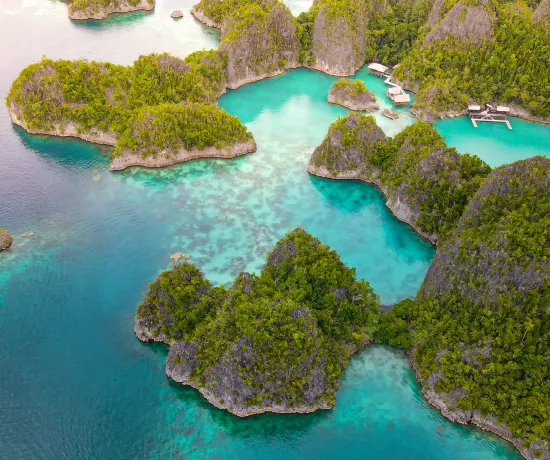
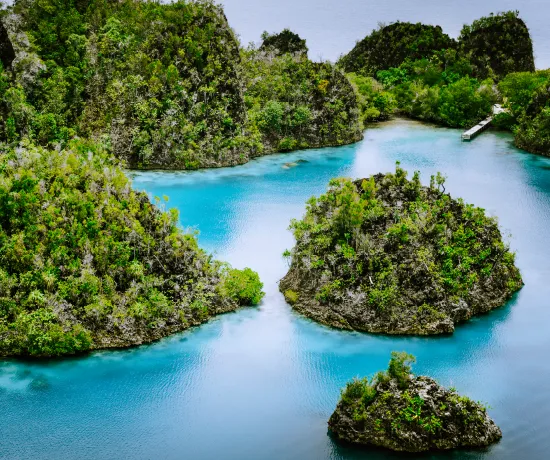
Dampier Strait, Fam Islands, Piaynemo viewpoint
Snorkelers & Divers
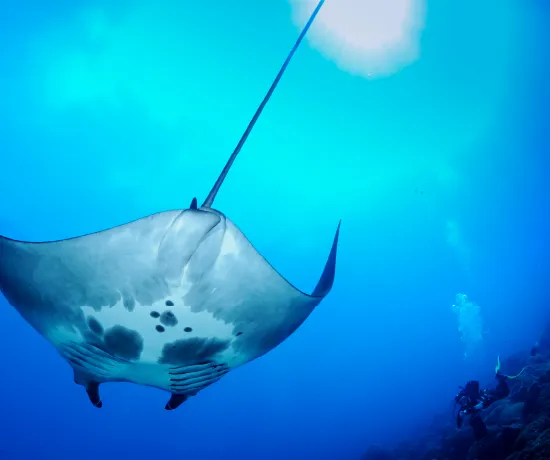
Oceanic & Reef Manta Rays, Wobbegong sharks, schooling fish
North Raja Ampat
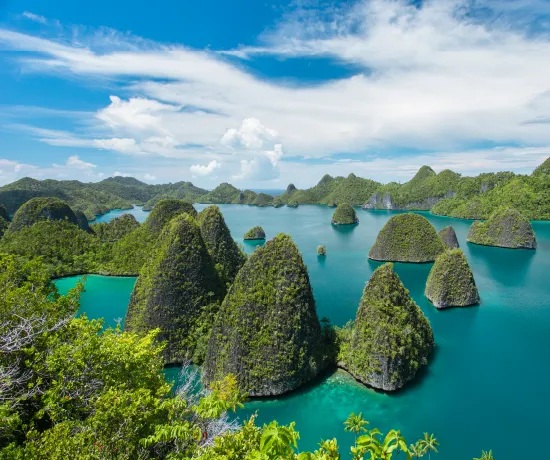
Wayag’s iconic karst islets, remote lagoons
Scenery lovers & Adventure seekers
Pristine coral reefs, Blacktip reef sharks, birdwatching
South (Misool)
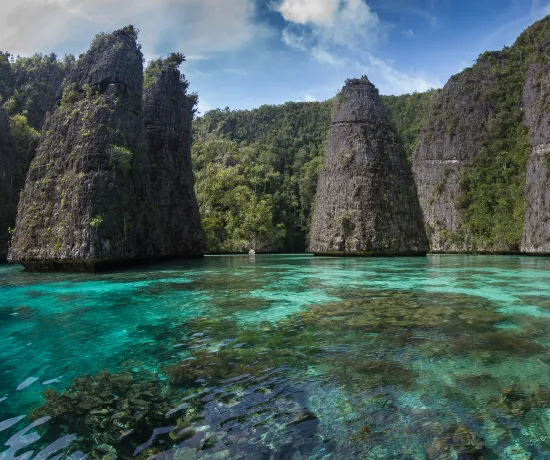
Hidden blue lagoons, ancient rock art, marine sanctuary
Soft coral enthusiasts & Macro lovers
Pygmy seahorses, mobula rays, stingless jellyfish lakes, pelagics
Region: Central Raja Ampat
Key Highlights: Dampier Strait, Fam Islands, Pianemo viewpoint
Ideal For: Snorkelers & Divers
Top Marine Life / Features: Oceanic & Reef Manta Rays, Wobbegong sharks, schooling fish
Region: North Raja Ampat
Key Highlights: Wayag’siconic karst islets, remote lagoons
Ideal For: Scenery lovers & Adventure seekers
Top Marine Life / Features: Pristine coral reefs, Blacktip reef sharks, birdwatching
Region: South (Misool)
Key Highlights: Hidden blue lagoons, ancient rock art, marine sanctuary
Ideal For: Soft coral enthusiasts & Macro lovers
Top Marine Life / Features: Pygmy seahorses, mobula rays, stingless jellyfish lakes, pelagics
Regional Breakdown: Exploring Raja Ampat’s Three Unique Zones
While every corner of the archipelago offers extraordinary beauty, each region has its own distinct identity, landscapes, and underwater characteristics. Whether you are looking for dramatic geological formations, high-energy manta encounters, or tranquil soft coral sanctuaries, understanding these differences is key to planning your ideal journey.
Central Raja Ampat & The Dampier Strait
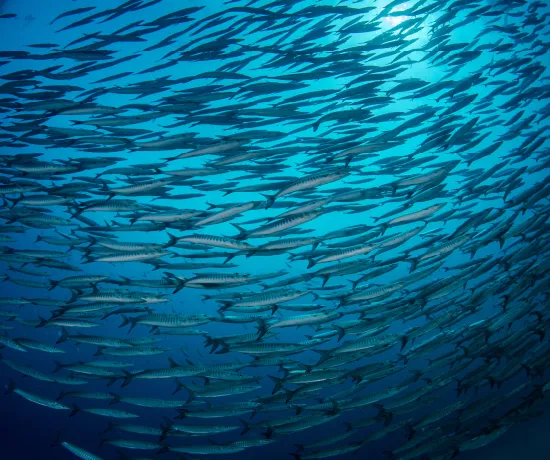
The Central region is the vibrant heart of the archipelago and the most easily accessible area from Sorong. Swept by nutrient-rich currents, the Dampier Strait acts as an underwater highway for large pelagic species and schooling fish.
- The Vibe: High-energy marine life, iconic viewpoints, and classic Raja Ampat scenery.
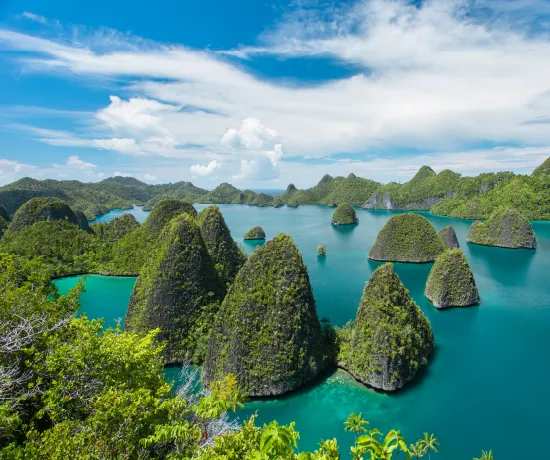
- Top Highlights: Climbing the wooden steps of Piaynemo for the iconic view of karst islets, snorkeling through the shallow coral gardens of Arborek, and visiting active cleaning stations where Reef and Oceanic Manta Rays gather.
- Underwater Profile: Expect thrilling drift dives, dense fish schools, and shallow reefs bursting with hard corals and macro life.

Northern Archipelagos: Wayag & Beyond
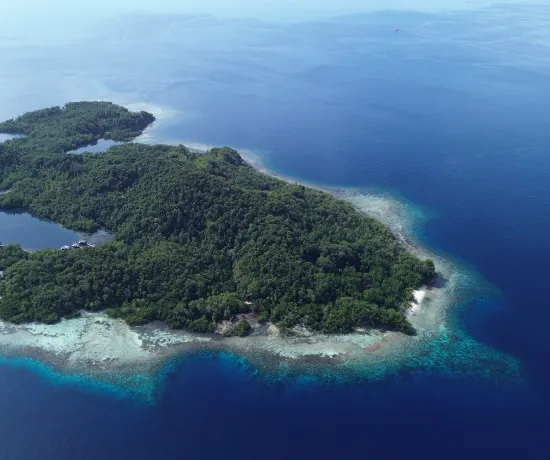
Extending toward the equator, North Raja Ampat is defined by wild, remote islands and pristine, untouched marine habitats. It feels like stepping into a lost world where nature remains entirely undisturbed.
- The Vibe: Untamed wilderness, dramatic karst landscapes, and total tranquility.
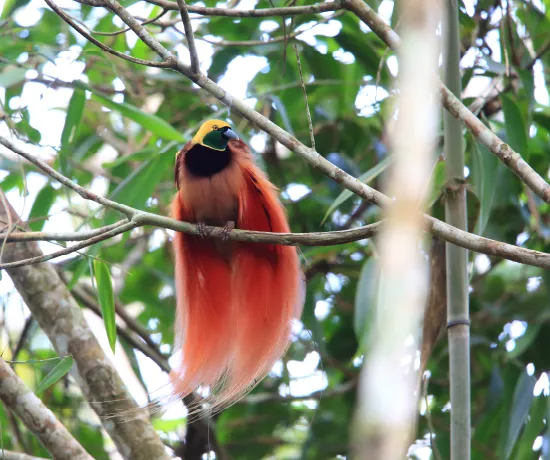
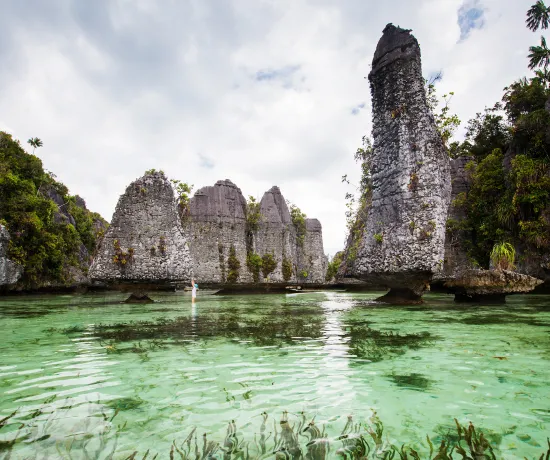
- Top Highlights: Exploring the labyrinth of steep limestone towers in Wayag, paddling through hidden mangrove channels, and watching birds-of-paradise display in the canopy at dawn.
- Underwater Profile: Sheltered bays ideal for snorkeling, shallow nursery areas for juvenile blacktip reef sharks, and healthy hard coral plateau formations.
Southern Sanctuary: Misool
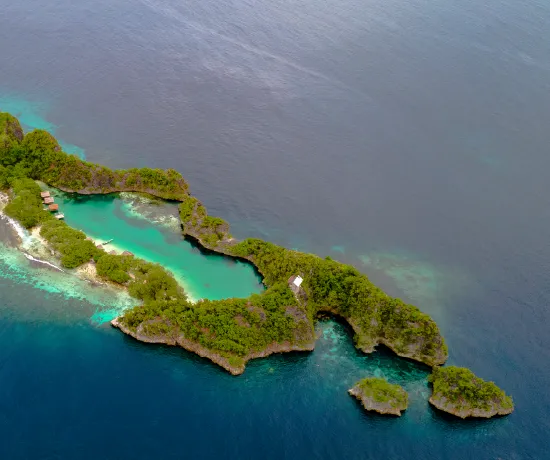
Located in the far south of the marine park, Misool is a world-class conservation success story. Protected by a dedicated marine sanctuary, this private island realm features some of the richest and most undamaged marine ecosystems on the planet.
- The Vibe: Mysterious lagoons, ancient cave networks, and unmatched coral colors.
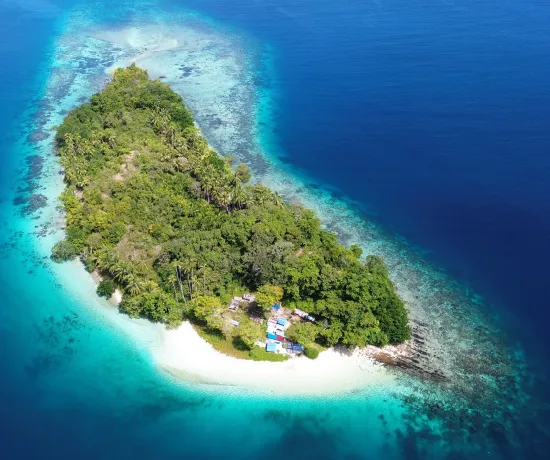
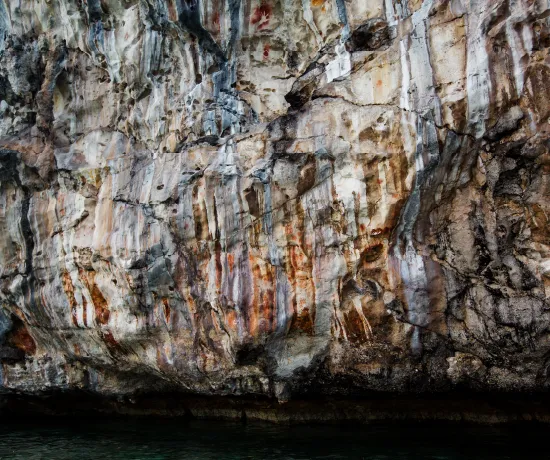
- Top Highlights: Swimming in secret turquoise lagoons, viewing ancient rock art carved into sheer cliff faces, and exploring serene sea caves.
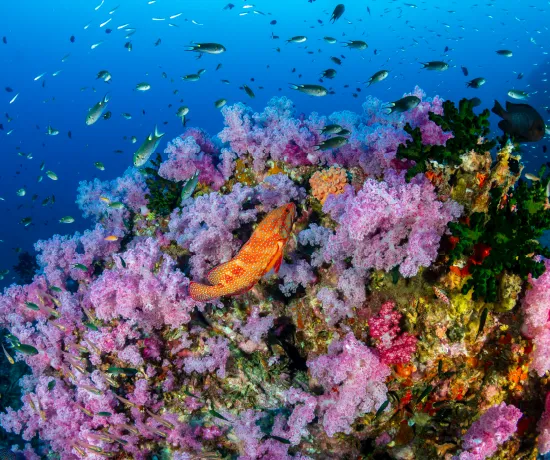
- Underwater Profile: World-renowned for vibrant walls draped in kaleidoscopic soft corals, massive gorgonian sea fans harboring pygmy seahorses, and encounters with mobula rays and pelagic hunters.

Logistics & Travel Info: How to get to Raja Ampat
No Raja Ampat destination guide is complete without clear, hassle-free travel planning. While West Papua may feel like the edge of the world, reaching the archipelago is straightforward with the right flight connections and preparation.
Airport Access: Getting to Sorong (SOQ)
Your journey to Raja Ampat begins at Domine Eduard Osok Airport in Sorong (SOQ), the primary gateway to the archipelago.
Step 1: International Arrival
Fly into one of Indonesia’s major international hubs: Jakarta (CGK) or Bali (DPS)
Step 2: Domestic Connection to Sorong
Take a direct or single-layover domestic flight to Sorong (SOQ). Frequent overnight flights run daily via Jakarta, Bali, or Makassar (UPG), allowing you to land in Sorong early in the morning.
Step 3: Direct VIP Vessel Transfer
Upon landing at Sorong airport, our team meets you directly at arrival. We handle your luggage and provide a seamless transfer straight to the catamaran, where your cruise adventure begins without delay.
Best Season & Weather
Raja Ampat is a year-round tropical destination located near the equator, offering warm waters and rich marine encounters every month. However, understanding the seasonal shifts will help you choose the best time to visit Raja Ampat based on your preferences.
- October to April (Peak Season): The ultimate period for cruising all regions. Seas are exceptionally calm, visibility is at its peak, and brief tropical showers leave clear skies. Nutrient-rich currents draw massive aggregations of Reef and Oceanic Manta Rays to cleaning stations in both Central and Misool.
- May to September (Green Season): Trade winds bring ocean swells to open southern waters, but the sheltered archipelagos of Central and North Raja Ampat remain calm and pristine. Navigating these protected island labyrinths offers incredible diving and snorkeling with complete seclusion and virtually no other vessels around.
Conditions at a glance
Air Temperature
30ºC / 86ºF average year-round
Water Temperature
28ºC – 30ºC / 82ºF – 86ºF
Recommended Gear
3mm shorty, full wetsuit or UV rashguard
Unique Flora & Marine Wildlife: What to see in Raja Ampat
As the crown jewel of the Coral Triangle, Raja Ampat hosts an unbelievable density of life both above and below the surface. This raja ampat destination guide highlights the extraordinary species you can encounter during your cruise, from majestic ocean giants to rare terrestrial fauna found nowhere else on Earth.
Underwater Biodiversity: Life Below the Waves
Swept by nutrient-rich currents, exploring the Raja Ampat marine wildlife feels like stepping directly into an untouched sanctuary. The region supports over 1,500 species of fish and 75% of all known hard coral species.
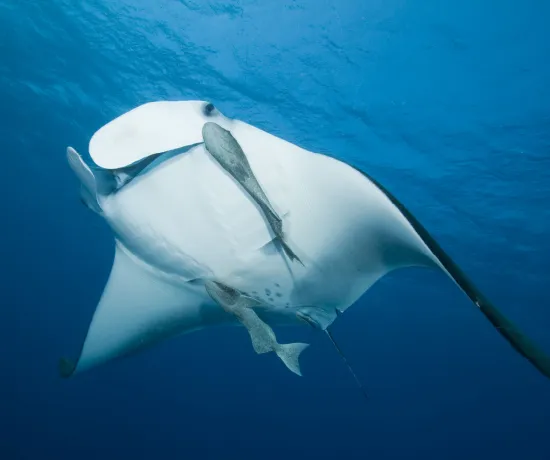
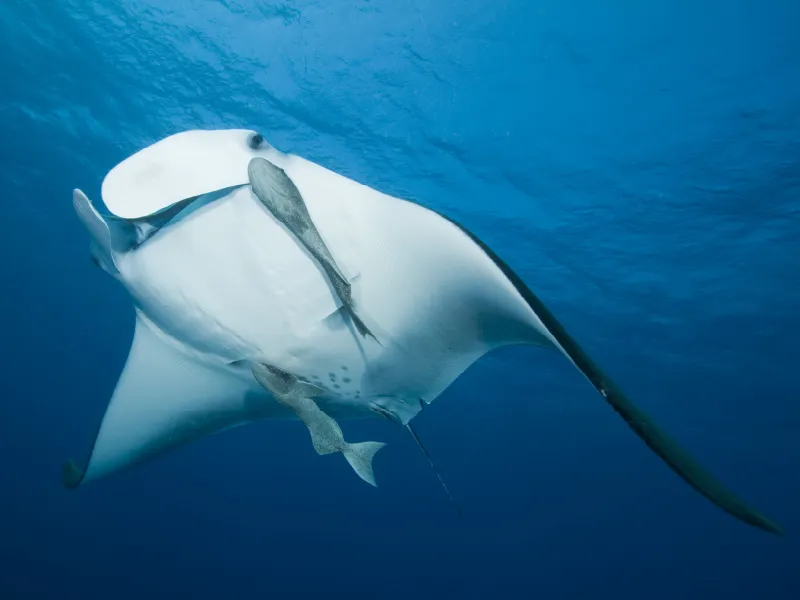
Oceanic Manta Ray
Mobula BirostrisWith wingspans reaching up to 7 meters, the Oceanic Manta Ray is the giant of the sea. Raja Ampat is one of the rare places on Earth where you can witness these gentle ocean giants alongside resident Reef Mantas. Drawn by nutrient-rich currents, they gather at shallow cleaning stations and sea mounts across the archipelago, offering unforgettable encounters for divers and snorkelers alike exploring the raja ampat marine wildlife.
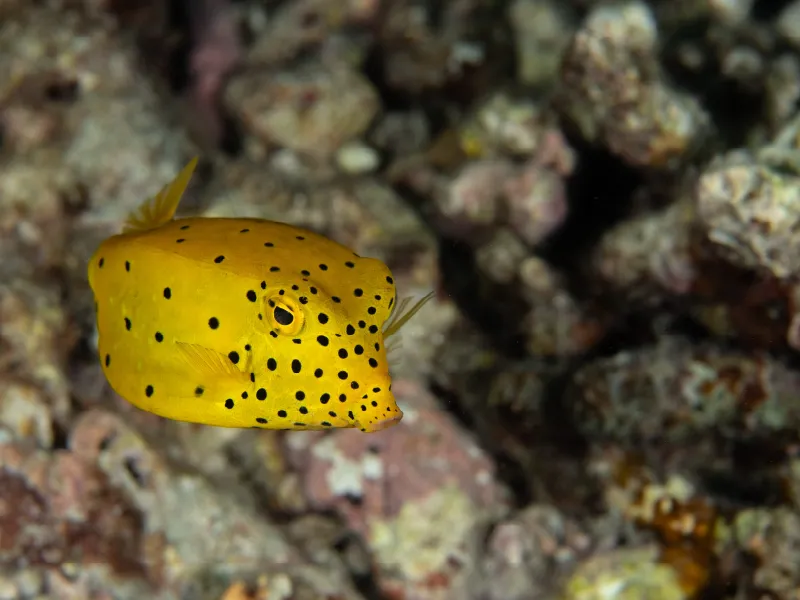
Yellow Boxfish
Ostracion cubicusInstantly recognizable by its bright yellow box-shaped body and black spots, this curious reef dweller moves gracefully among shallow hard corals, captivating underwater photographers with its unique hover-like swimming style.
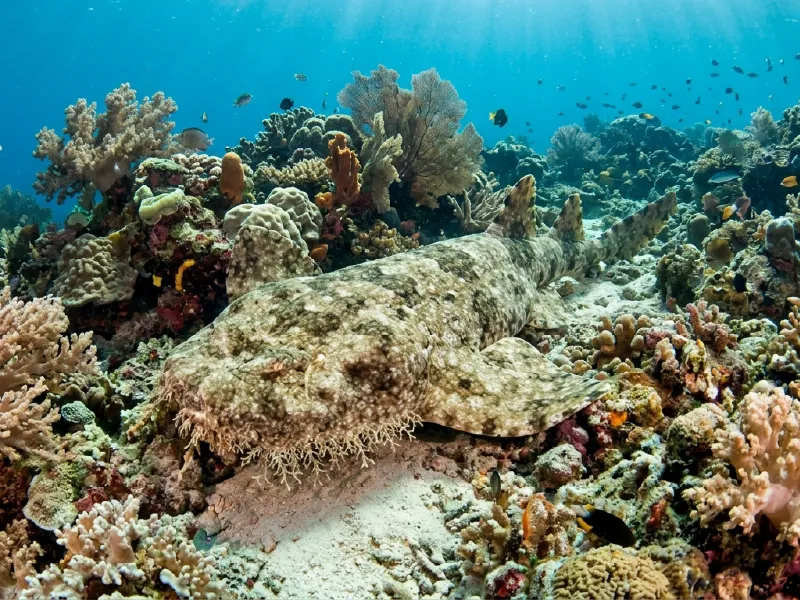
Tasselled Wobbegong Shark
Eucrossorhinus dasypogonThis unique, bottom-dwelling carpet shark relies on ornate skin tassels and master camouflage to blend seamlessly into coral ledges, making it a favorite encounter for marine life enthusiasts.
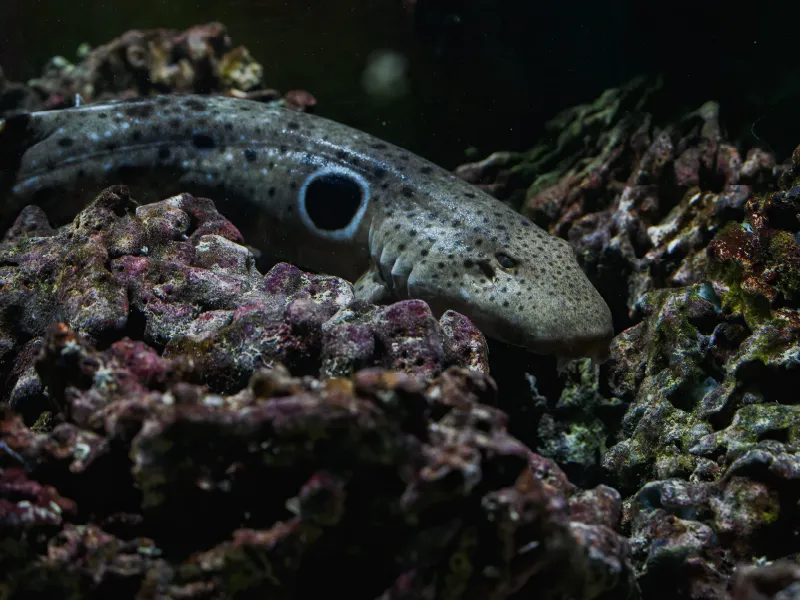
Epaulette Shark
Hemiscyllium freycinetiFound nowhere else on Earth, this nocturnal species uses its pectoral fins to “walk” across shallow reefs and tidal flats in search of small crustaceans under the cover of darkness.
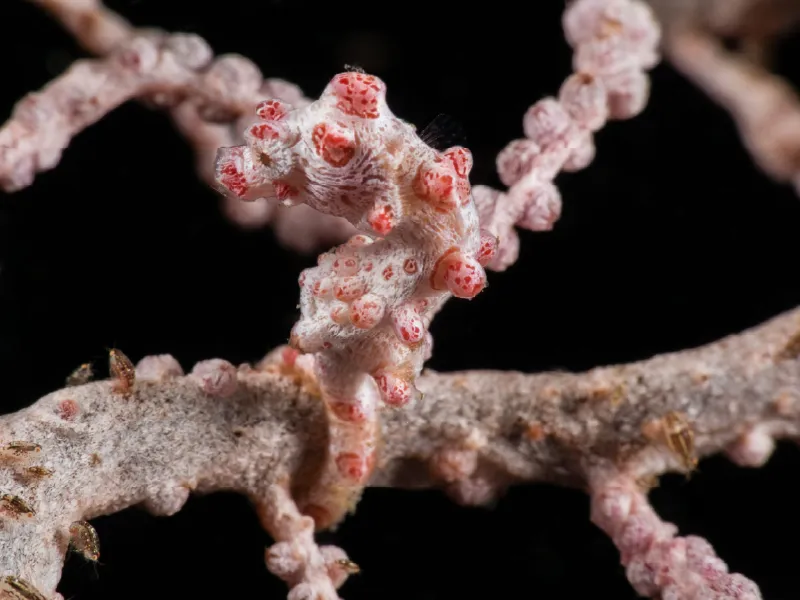
Pygmy Seahorse
Hippocampus bargibantiMeasuring less than two centimeters, these incredible macro treasures match the exact color and texture of the gorgonian sea fans they inhabit, challenging even the sharpest eyes to spot them.
Blacktip Reef Shark
Carcharhinus melanopterusA classic sight along dropping reef walls and shallow lagoons, these agile apex predators patrol the coral gardens in search of schooling reef fish, adding thrilling energy to every dive or snorkel.

Island Flora & Terrestrial Wildlife: Beyond the Reefs
Raja Ampat’s wonder does not end at the shoreline. Above the turquoise surface, dense tropical rainforests and jagged limestone karsts harbor incredible endemic species, making land excursions just as breathtaking as the diving.
Wilson's Bird-of-Paradise
Lophorina respublicaFamed for its vivid turquoise crown, crimson back, and curled tail feathers, this iconic bird clears a forest dance floor at dawn to perform an unforgettable courtship display.
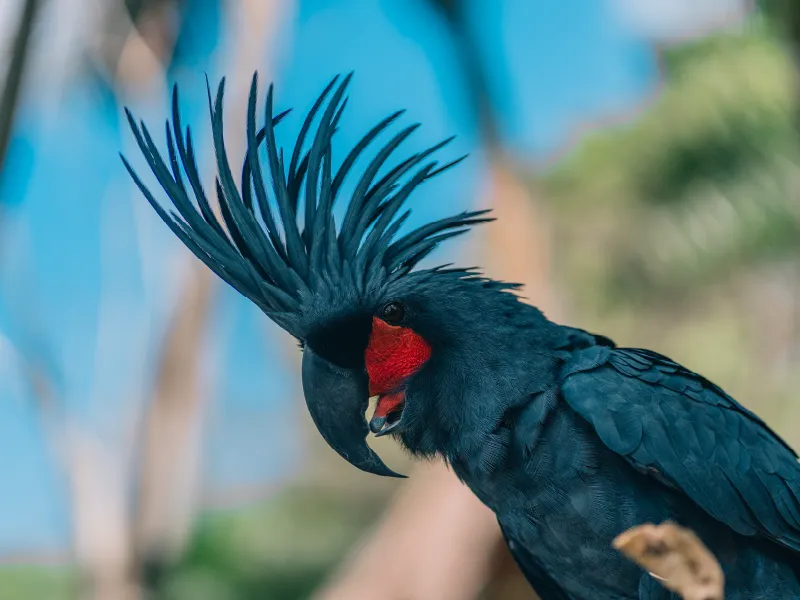
Palm Cockatoo
Probosciger aterrimusRecognizable by its smoky-grey plumage, prominent crest, and bold red cheek patches, this striking parrot uses sticks to drum against hollow trees in a unique territorial display.
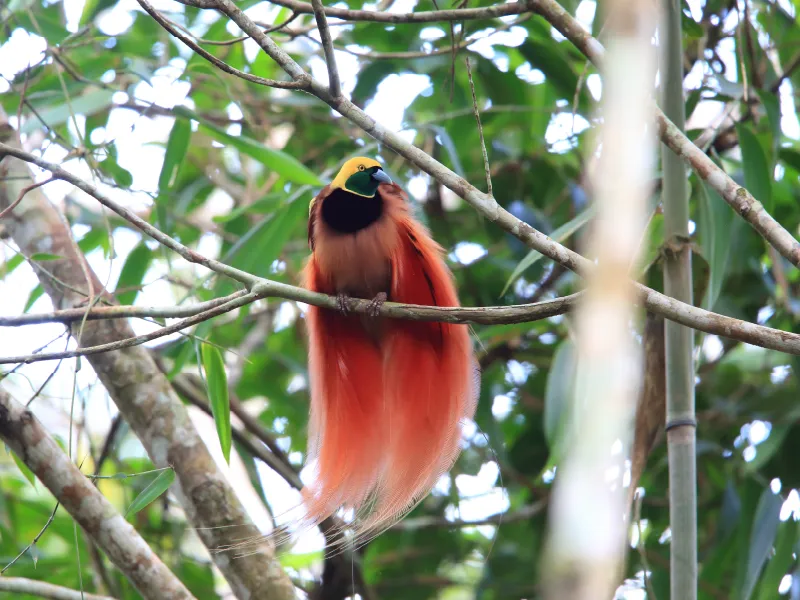
Red Bird-of-Paradise
Paradisaea rubraFound exclusively on islands like Waigeo and Batanta, males gather high in the rainforest canopy to display their brilliant red plumes and perform elaborate acrobatic dances.
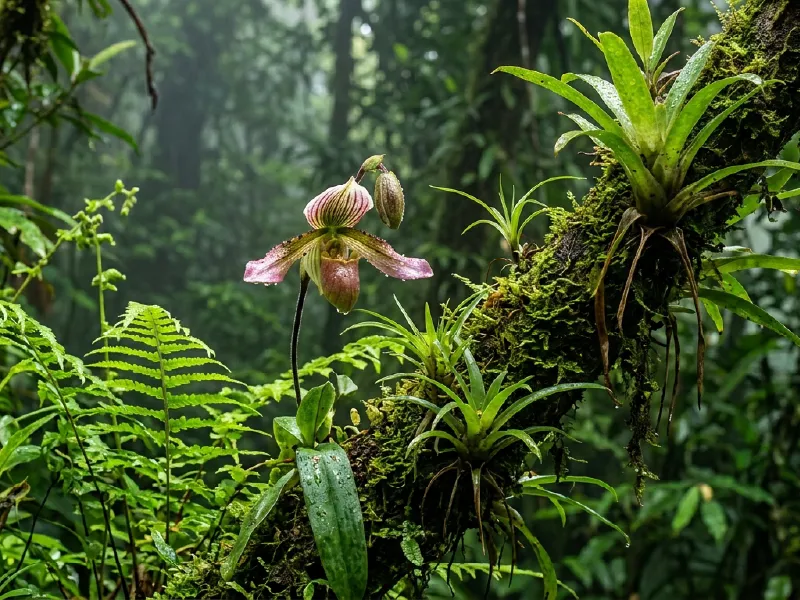
Karst Limestone Flora & Orchids
Thriving directly on vertical, razor-sharp limestone, these resilient tropical plants, wild orchids, and pitcher plants form breathtaking hanging gardens across the islands.
Ready to Discover Raja Ampat’s Wildlife?
Embark on an extraordinary journey through the heart of the Coral Triangle. Whether you dream of swimming alongside gentle oceanic mantas or trekking into lush rainforests to spot birds-of-paradise, our luxury catamaran cruises offer an intimate, unforgettable expedition.
PRIVACY POLICY | © 2026 KATOA RAJA AMPAT. ALL RIGHTS RESERVED. | WEBSITE BY AC